Purpose to brand
Client: A consumer wellness brand
How do you turn a new company purpose into something people can see, feel, and use to make decisions?
A new CEO and executive team were redefining the company’s role in people’s lives, moving beyond its legacy category toward a broader ambition around wellness and healthy habits. The challenge was to make that purpose useful beyond a statement — something that could shape how the company looked, communicated, designed experiences, engaged employees, and made choices.
1
Define a new purpose for the company’s next chapter
Working closely with the CEO, executive leadership, and strategy team, I helped define a new purpose that could move a tired legacy brand into its next chapter. We shaped both the ambition itself and the narrative around it: what the company wanted to stand for, the role it could play in people’s lives, and the story leaders could rally around. I then led the visual and experiential expression of that narrative across a presentation, a bound book, and a large-scale installation leaders could move through rather than simply read.
2
Build a brand around the ambition
As leadership embraced the direction, the work expanded into a broader identity system. I led day-to-day design development across logo, color, imagery, voice, products, and packaging, while connecting the same purpose to digital and physical member experiences.
3
Put the brand to work in the real world
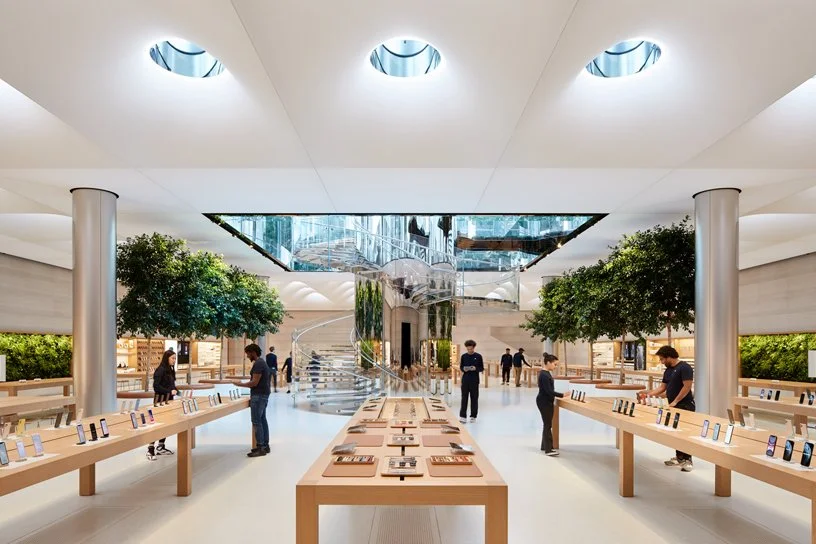
I led the member-experience work with the retail team, using an existing location as a live pilot. We fabricated prototypes, trained employees, observed real use, interviewed staff and members, and iterated. The same purpose also became a decision tool teams could use to evaluate products, partnerships, experiences, and other business choices.
The result was a purpose that could steer the company — and a brand built to carry that purpose into every member experience.
The work gave the company a clear expression of its new purpose across identity, communications, products, digital experiences, physical environments, and employee experience. It connected what the company said it stood for with how members actually encountered it.
The brand carried that purpose into the member experience — from identity and packaging to spaces, rituals, service interactions, and the ways employees brought the experience to life.
The purpose also became an operating tool: a shared lens teams could use to evaluate products, partnerships, experiences, and other choices against the same underlying direction.
From an account standpoint, the initial purpose engagement expanded into more than a year of work across brand and member experience — a signal of the confidence the direction built with leadership.